Saturday, August 14, 2010

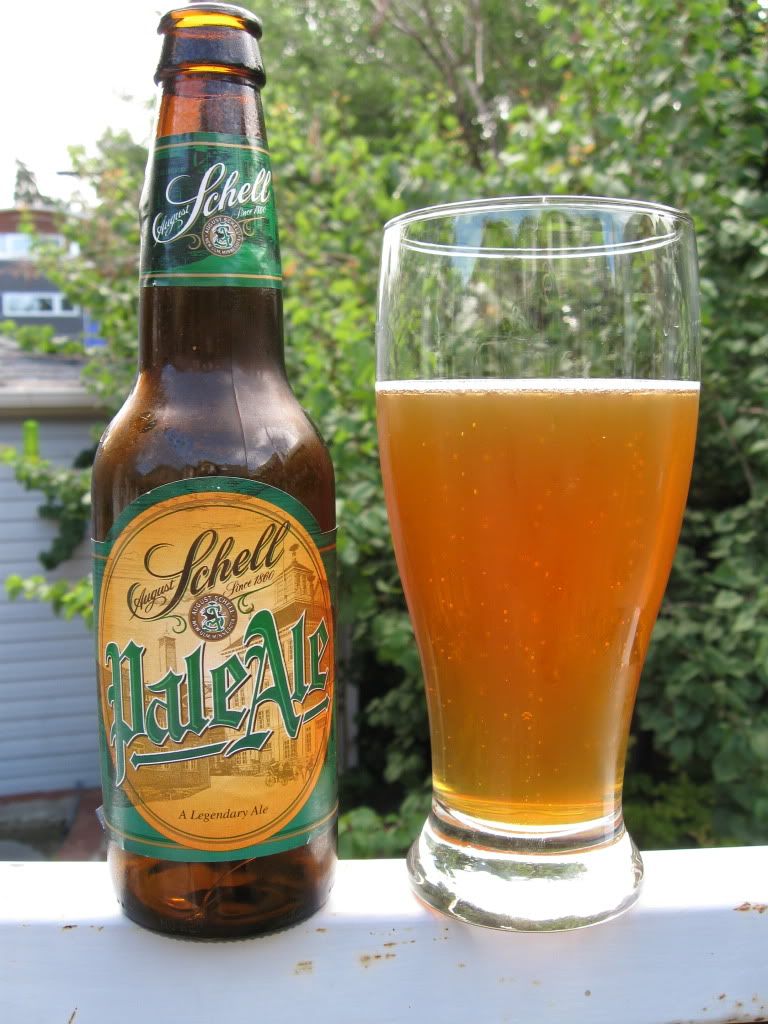
Beer Review: August Schell Brewing - Pale Ale

Ahh, the northwoods of Minnesota. Nothing like being out on a boat with a cooler of beer catching your sustenance. August Schell Brewery boasts that it is the second oldest operating brewery in America. My only guess is that Yuenling is #1.


This beer was brewed in celebration of the 135th Anniversary of Schell's several years ago. It was so popular, we re-introduced it under the name German Pale Ale.
Pale Ale is really a hybrid—the best characteristics of an India Pale Ale's English malts and hops, combined with a German Alt yeast. It is medium in color, with a pronounced bitterness and a pleasant flowery hop aroma. Schell's is the only brewery that produces this particular beer style.

Beer Style: Pale Ale

Alcohol by Volume: 5.75%

Characteristics: Rich maltiness with a distinct hop bitterness.

Appearance: Pours a crystal clear golden copper color with a very thin white head that doesn't last long. Not much lacing. 

Aroma: Bready malt with a slight tartness to it. Herbal, earthy English hop character.

Flavor: Bready malt up front with a very slight caramel undertone. Slightly tart that reminds me of sourdough bread. Bitterness lingers throughout with earthy, grassy, herbal flavor. Finishes dry and slightly mineral.

Mouthfeel: Medium body with medium to high carbonation. Carbonation is prickly at the end of the sip.

Overall: Not something I would call an APA. Tastes more like an English bitter with higher carbonation and more body. Crisp and tart. Overall a refreshing pale ale that the flavor lingers for a bit. A little bit of caramel malt would be nice to even out the tartness. 


Beer Review: Founder's Brewing Co - Red's Rye Pale Ale

Rye is a cereal grain that is up in coming in the microbrew world. It lends a smooth mouth feel, a rye spiciness, and helps with head retention. I highly recommend trying out some flaked and/or malted rye if you are a homebrewer. I have a recipe for Denny Conn's Rye brew in the recipe of the week section.


6.6% ABV | 70 IBUs
Serious hop bitterness along with unyielding grapefruit bouquet from the Amarillo dry-hop. Balanced with the malty richness of four varieties of imported Belgian caramel malts. Pours a spectacular crimson with a creamy tan head. A generous addition of rye malt accentuates a spicy crisp finish.


Appearance: Pours a deep amber to ruby, a gorgeous color. A big pillowy head forms then reduces to one finger with beautiful lacing.  

Aroma: Bread, spicy, rye goodness is present throughout. Also touches of orange peel, roses, and a hint of pine. Very fragrant, one of the best smelling beers I have had.  

Flavor: Strong grapefruit present up front leading into a mellower orange peel. The hop flavor is rounded out with a bit of pine. Bready rye undertones are present throughout and show more of themselves near the end of the sip. The sip ends with a drying tartness that is very refreshing.

Mouthfeel: Very creamy as it slides across the tongue. Medium body with low to medium carbonation.

Overall: All I can say is WOW. This is an outstandingly balanced beer. The warmth and spiciness from the rye are the perfect compliment with the flavor and bitterness from the hops. I will give this one a big recommendation and only hope I can find it out here one day. 


Tuesday, August 10, 2010

Recipe of the Week: Saffron Ale

Continuing on with the historical sense the last few days I feel it is a good time to share a recipe from one of my favorite brewing books. This is not the typical home brewing book but more of a history book. It is called Sacred and Herbal Healing Beers, The Secrets of Ancient Fermentation by Stephen Harrod Buhner. You can find a list of merchants here and I highly recommend picking one up; it gives a great understanding of the brewing world in ancient times. 


Saffron is one of the worlds most expensive and oldest spices. It takes over four thousands flowers to produce just one ounce of saffron. Luckily though, you can find it at almost any grocery store. However, you may want to find a spice market or a ethnic food store for a better price and fresher product. 


It is said that you really can't describe the taste of saffron in words. Also, there are no known substitutes for saffron, cookbooks will tell you to use turmeric as a substitute but you will create something very different from the original recipe. An interesting read on the spice can be located here. This site describes the chemical properties of the spice and how best to utilize it. 

Below is an excerpt from the book including the recipe:


"[Saffron] exhilarates the spirits to such a degree, that when taken in large doses, it occasions immoderate mirth and laughter." W.T. Marchant, 1888

I must state that that neither I or Sacred and Herbal Healing Beers can be held responsible for any actions under the influence of this historic recipe. 

Saffron Ale:
Ingrediants  
      12 ounces molasses
      8 ounces brown sugar
      1/2 ounce saffron
      1 gallon water
      yeast
 
Boil molasses, brown sugar, and water; stir well. Add saffron, stir, cover,  and let stand three hours. Pour into fermenter, add yeast at 70 degrees F, and ferment until complete. Siphon into primed bottles, cap, and store. Ready to drink in one to two weeks.

Take the recipe how you want it and adapt to your specific brewing ways. I would love to hear back from anyone that tries this and let us know if you were overcome with mirth...

Monday, August 9, 2010

Weird Ingrediants: Mustard

There is nothing better to accompany a beer than a mustard slathered bratwurst, but mustard in beer?? Believe or not mustard has been used in beer recipes as a remedy for ague or malaria up until World War II.


"There used to be a lot of ague in them days in the marshlands, Marsh Fever as they used to call it, but I have not heard of a case for many a year, except in men comen home from India or some such part. The cure was hot beer with mustard seed boiled in it, which was counted a fine powerful remedy." Gabrielle Hatfield, 1994 - Country Remedies.

The most interesting part about mustard seed is that some have a naturally occurring wild yeast that will ferment beer. In many old world recipes it is suggested to spread some mustard on toast and let it float in the wort to ferment into beer.

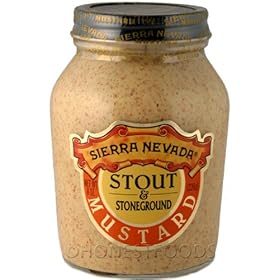
Nowadays craft breweries are taking the opposite approach. Breweries like Stone, Abita, and Sierra Nevada have came out with mustard lines that feature their beer as an ingredient. Just recently Stone brewing had "MustardGate" where it was found out there wasn't actually beer in the mustard. Fear not though, I am sure they will come out with the real deal soon. (Story)


If you look hard enough though you will still be able to find the original. One that I hope to be trying soon is Wostyntje, by Brouwerij De Regenboog. There are pretty good reviews for it at Beer Advocate, and it seems that the mustard is not too over powering. It's good to know if I ever come down with ague there is still a remedy available to me.  


Saturday, August 7, 2010

Beer History: Smoked Beers

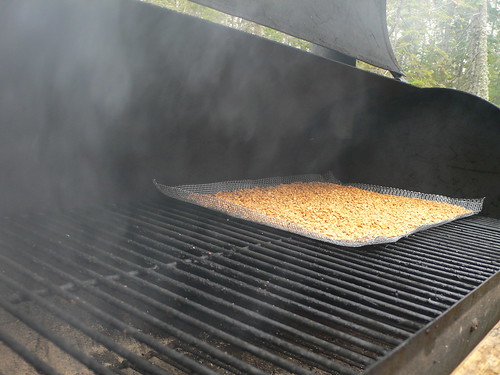
Smoked beers were not something a brewer was striving for but a consequence of the world before the industrial revolution. Before there were alternative sources of energy there was fire, and with that fire there was smoke. Maltsters and brewers only available option to cure (dry) their malted grain was fire. Back in those times there would have been little the maltsters could do to shield the grain from the smoke, thus the grain was imparted with a smokey flavor that was then passed onto the finished product.


In different areas of the world different burning fuels were used which effected the finished beer. These fuels coincided with what was commonly used in the region. In Great Britain compacted peat was used, as was straw, which gave the malted grain a less smokey taste. In what we now call the middle east (the origin of beer) malts could be dried by the ever prevalent desert sun but was also dried in bread ovens that probably would have been fired by the most prevalent fuel source which was ox dung. In most of Europe however wood was the fuel of choice and this gave the malt the most pungent smokey flavor. Beechwood was chose not because of the flavor that it imparted but because of the high energy density per log and it's clean burning manner.


With technology came cleaner burning fuels that left trusty old wood in ashes.  Brewers strived for cleaner tasting beers, well brewers in all areas with the exception of the tradition obsessed country of Germany. Today we see smoked beers in a resurgence as the craft brewing world meets the culinary word.


Friday, August 6, 2010

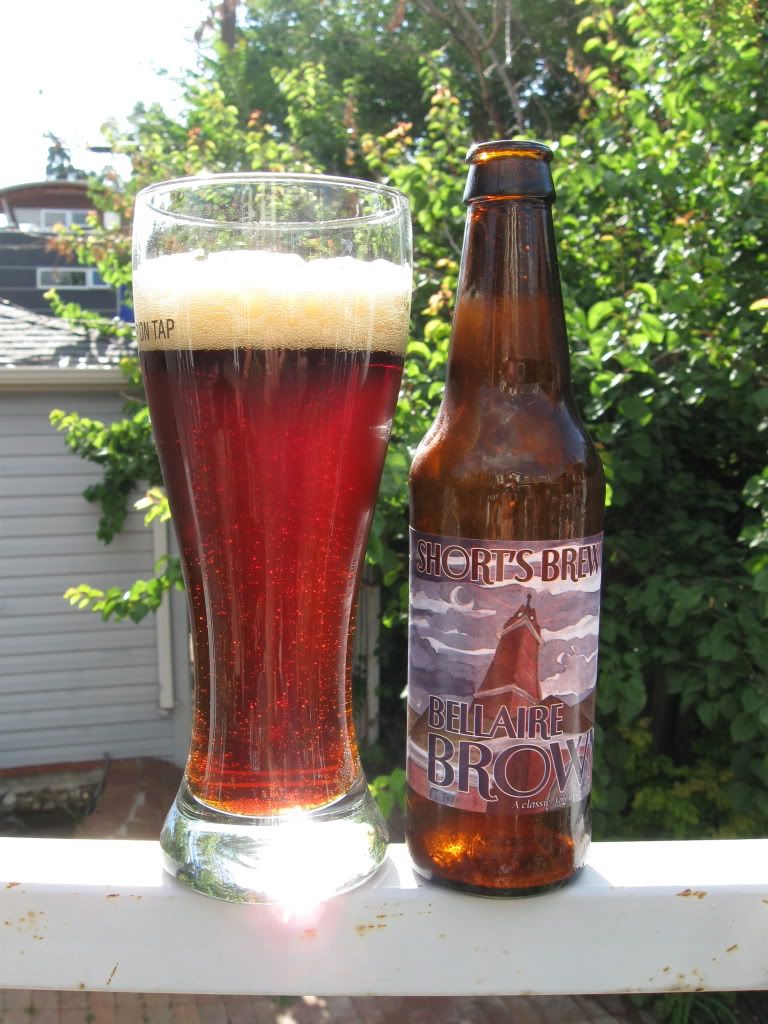
Beer Review: Short's Brewing Bellaire Brown

Posting another review today. I will be back on the horse with some other types of posts shortly. For the time being though I have a lot of reviews that need to be posted.


A brown ale so rich, it’s hardly classifiable as brown. It’s born of copious amounts of hearty pale ale malt, and several specialty selections which make it a dark, rich and delicious masterpiece.  Very light hop additions allow the malty sweetness and flavor complexity to be most protuberant.   A beer so user friendly, we dub this the “gateway” beer.

Appearance: Pours a crystal clear light brown to almost ruby. Thick head diminishes to just over the top with light lacing.

Aroma: Caramel with mostly chocolate overtones, with a light amount of floral hops.

Flavor: Starts with a smooth hop bitterness that turns into semi sweet chocolate. Light citrus hops come through. Finishes dry with a subtle caramel sweetness. 

Mouthfeel:  Medium body with low carbonation, glides across the tongue. 

Overall: In my book this is an outstanding American brown ale. I thought Moose Drool was my favorite until I had this wonderfully balanced gem. There is no roast in this so I am guessing dehusked black malt leads to the chocolate flavor. The Perfect balance of hops to even out the sweetness. This is a winner. 

Wednesday, August 4, 2010

New Schedule...

Well folks, Grant got a new job...

If you're in the Denver area come down to Incredible Wine and Spirits and find me. I'll be in the beer department. That's right, out of the cubicle and in a sea of beer....

Since I will not be behind a computer all day it's going to be tough to keep up with the amount of posting that I had been doing. I am hoping to still keep it to 3-4 posts a week but some may be on weekends.